Understanding the Principles of Slow Tourism
As the world becomes increasingly aware of the environmental impact of travel, many are turning to sustainable alternatives. Slow tourism, which emphasizes meaningful travel experiences over rapid and superficial exploration, is emerging as a popular choice. In this article, we’ll explore the core principles of slow tourism and how it can transform your travel experience.
What is Slow Tourism?
Slow tourism is an approach that encourages travelers to immerse themselves in local cultures and environments. According to experts in sustainable travel, this method not only enriches the traveler’s experience but also promotes the conservation of natural resources and supports local economies. By taking the time to appreciate a destination, visitors can foster deeper connections with the places they visit and minimize their ecological footprint.

The Core Principles of Slow Tourism
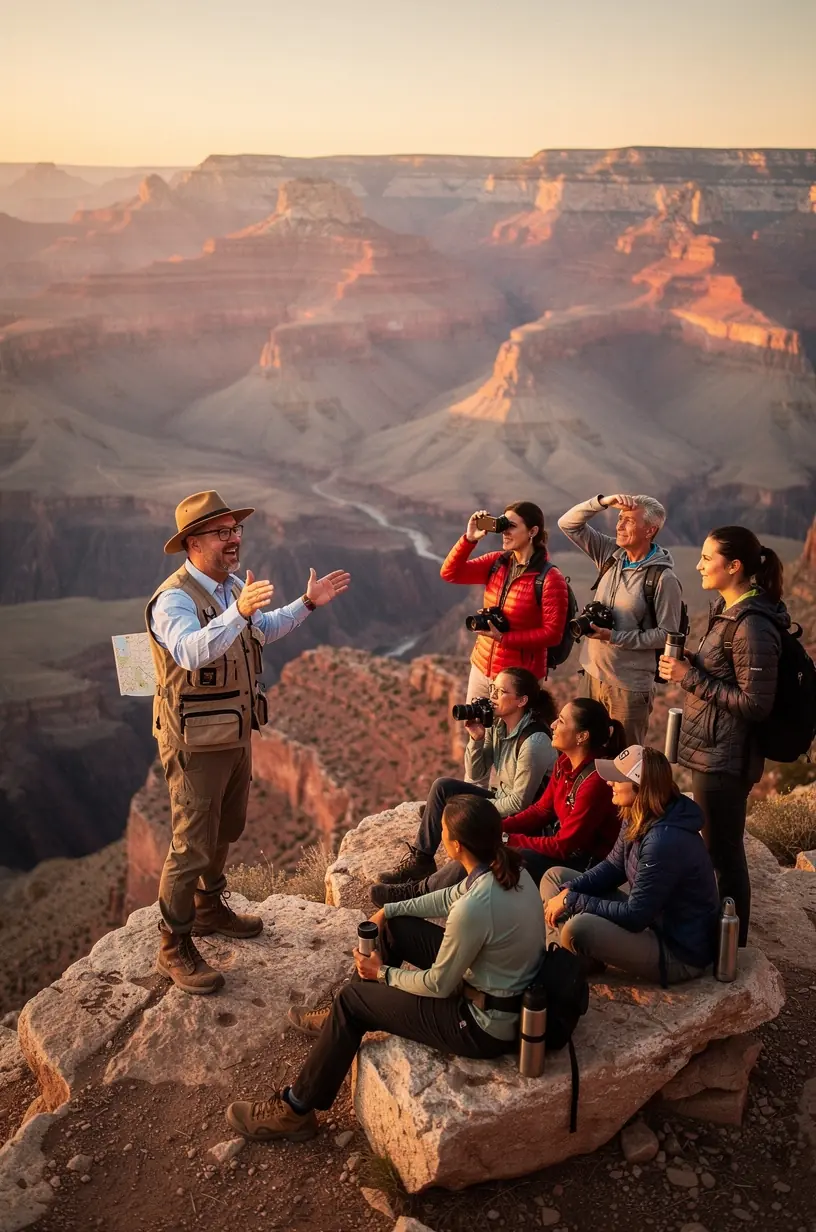
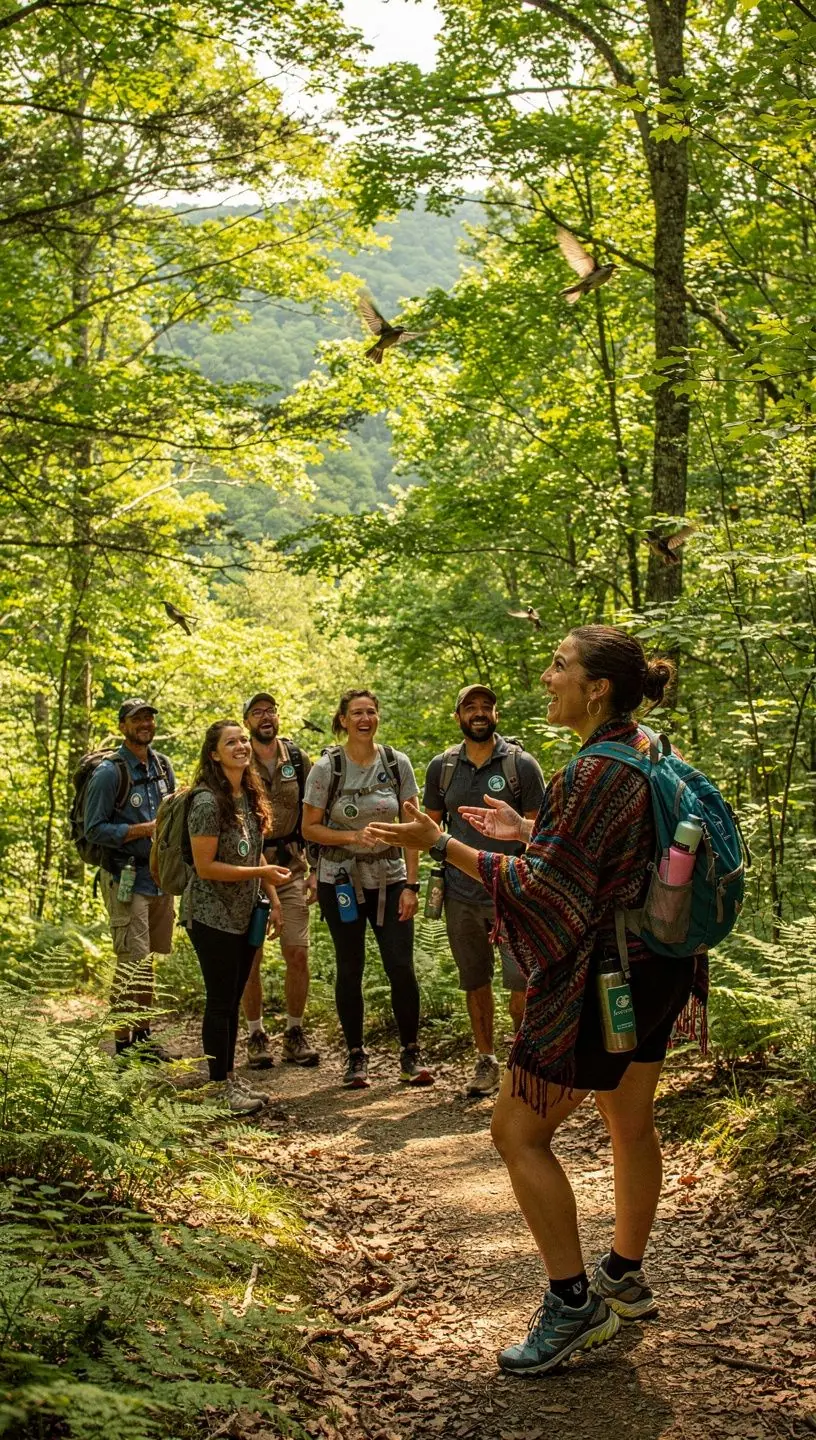
- Connection with Local Communities: Many travelers report that engaging with local guides enhances their understanding of a destination's culture and history. This approach often involves participating in community-led activities, which can provide a more authentic travel experience.
- Environmentally Responsible Practices: Research indicates that slow tourism practices, such as using public transportation or exploring on foot, can significantly reduce carbon emissions associated with travel. The principle here is that reducing the pace of travel allows for more sustainable choices.
- Mindfulness in Travel: The goal of slow tourism is to encourage travelers to be more present and engaged. Studies show that when individuals take time to appreciate their surroundings, they often experience increased satisfaction and well-being.
"Traveling slowly fosters a deeper understanding of the world and its cultures, enhancing both personal growth and environmental responsibility."
How to Embrace Slow Tourism
Transitioning to slow tourism typically requires a shift in mindset. Here are some actionable steps to consider:
- Plan Extended Stays: Instead of rushing through multiple destinations, consider spending more time in fewer places. This approach allows you to delve into local traditions and practices.
- Choose Local Accommodations: Staying in locally-owned hotels or guesthouses not only supports the community but often provides more personalized experiences. Many users find that these accommodations offer unique insights into local life.
- Engage in Cultural Activities: Participating in workshops or guided tours by local experts can significantly enhance your travel experience. This often involves learning traditional crafts or cooking local dishes, which fosters a greater appreciation of the culture.
Limitations and Considerations
While slow tourism offers numerous benefits, it also requires a commitment to adapting your travel style. Travelers should be prepared for the following:
- Time Commitment: Embracing slow tourism typically takes more time than a traditional travel itinerary. Planning for longer stays can lead to richer experiences but may not be suitable for all travelers.
- Effort in Planning: This approach often involves more extensive research and planning to identify local guides and sustainable activities. Acknowledging this upfront can help set realistic expectations.
- Potential Cost Variations: While some slow tourism experiences can be cost-effective, others might be pricier if opting for specialized local guides or unique accommodations.
Conclusion
By understanding and adopting the principles of slow tourism, travelers can contribute to a more sustainable travel industry while enriching their personal experiences. This approach encourages mindful exploration that respects local cultures and environments, paving the way for a more conscious way of traveling. As the trend of eco-friendly travel grows, consider how you can embrace these practices on your next journey, creating memories that last a lifetime.
Learn More