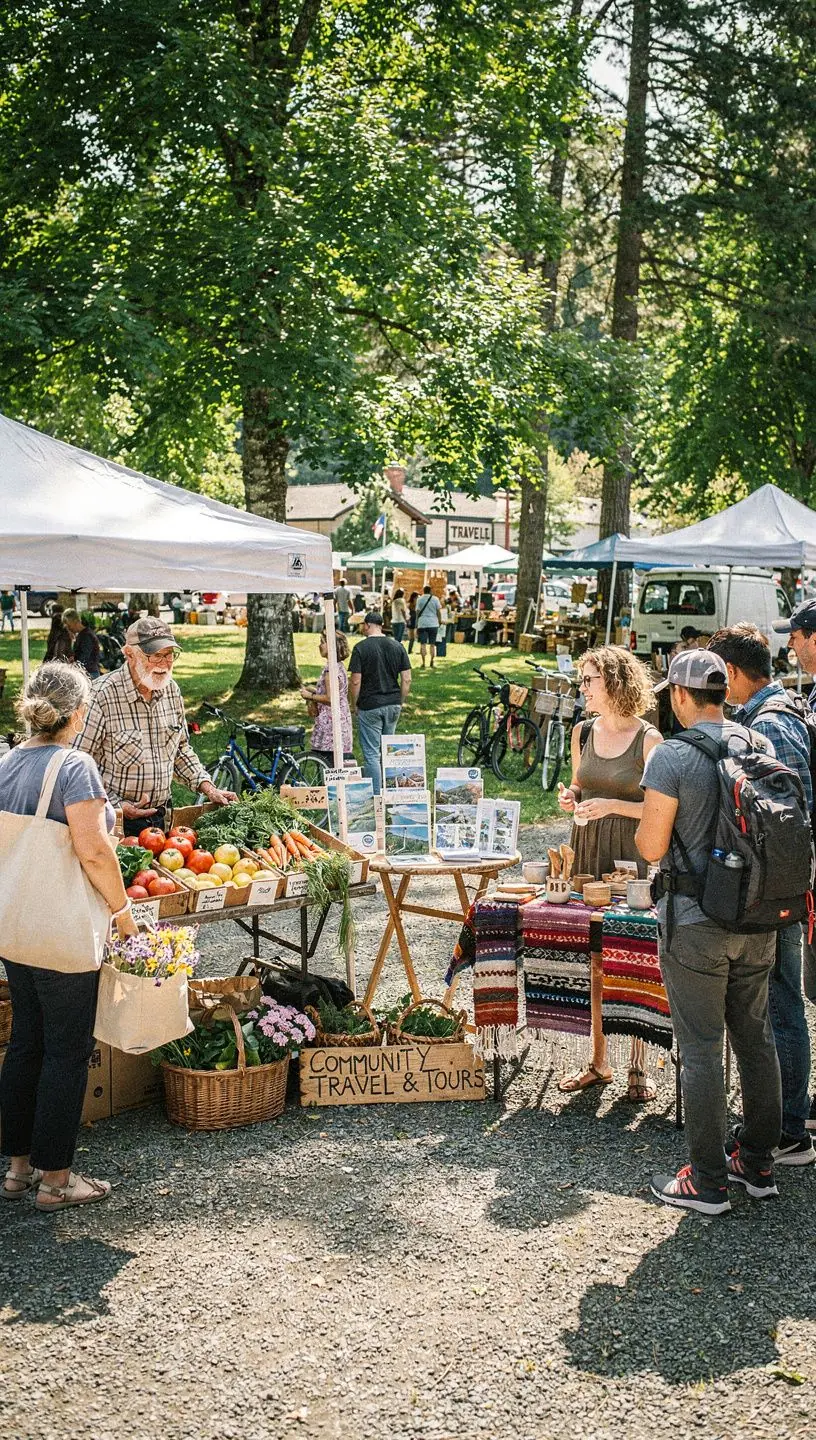
Exploring the Benefits of Community-Based Tourism
Community-based tourism (CBT) is gaining traction as a sustainable travel alternative that not only enriches travelers' experiences but also supports local economies and cultures. In this article, we delve into the numerous benefits of engaging with local communities through eco-friendly travel agencies that promote sustainable slow tourism.
Understanding Community-Based Tourism
Community-based tourism is an approach that allows travelers to connect with local cultures and environments. This method emphasizes responsible travel practices where the benefits directly support local communities. According to research conducted by the World Tourism Organization, CBT can significantly enhance the economic stability of local areas by keeping tourism revenue within the community.

"Community-based tourism can empower local communities, providing them with the tools to manage and benefit from their natural and cultural resources." - Tourism Studies Expert
Key Benefits of Community-Based Tourism
- Economic Support: CBT typically strengthens local economies by creating jobs and encouraging the development of local businesses. According to a study by the International Labour Organization, tourism that involves local communities can create 1.5 times more jobs than conventional tourism methods.
- Cultural Preservation: Many users report that immersive experiences in local cultures foster a greater appreciation and understanding of diverse traditions. This interaction, in turn, can help preserve local customs and practices, as communities often feel motivated to share their heritage.
- Environmental Benefits: Engaging in sustainable tourism practices can help minimize the environmental footprint of travel. Studies show that responsible tourism initiatives typically advocate for conservation efforts, promoting the protection of local ecosystems while providing travelers with enriching experiences.
How Community-Based Tourism Works
Community-based tourism functions on a framework of collaboration between travelers and local residents. This process often involves:
- Identifying Local Needs: Local guides work with tourism agencies to identify the needs of their communities, ensuring that tourism development aligns with local priorities.
- Training Local Guides: Many eco-friendly travel agencies provide training programs for local guides, enabling them to share their knowledge and culture effectively with visitors.
- Creating Authentic Experiences: Visitors are offered unique experiences, such as cooking classes, craft workshops, or guided nature walks, where they can learn directly from community members.
Challenges and Considerations
While community-based tourism offers numerous benefits, there are challenges that need to be acknowledged. Implementing CBT often requires dedicated time and effort, as communities may need to adapt to an influx of visitors. It is crucial to consider that:
- CBT initiatives can take time to establish, often requiring 1-2 years for communities to develop their offerings fully.
- Travelers should approach CBT with an open mind and a willingness to learn, as these experiences may differ significantly from conventional tourism.
- It may not be suitable for all destinations, especially those that are not prepared to handle increased tourist traffic without compromising their local culture.
Conclusion
Community-based tourism presents a valuable opportunity for travelers seeking meaningful experiences while contributing to the sustainability of local economies and cultures. By engaging with local guides and participating in community-led initiatives, travelers can enjoy enriching experiences and help preserve the very destinations they visit. As the demand for eco-friendly travel continues to grow, community-based tourism stands out as a reliable approach that benefits both travelers and local communities alike.
Learn More